Control polymerisation without rigidifying operations
PVC production relies on sensitive reaction balances where polymerisation kinetics, thermal control and operating conditions directly influence particle size distribution, viscosity and material quality.
Even minor deviations can lead to product variability, yield losses or instabilities impacting both safety and industrial performance.
Indao transforms data from reactors, cooling systems and separation units into reliable operational indicators and concrete recommendations.
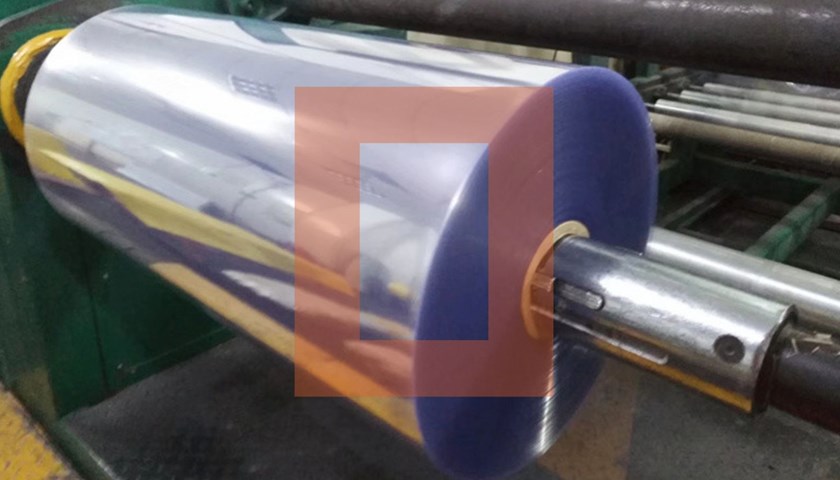
Why PVC processes are different
Processes where reaction stability directly determines material quality and industrial performance.

Kinetics-sensitive reactions

Strong dependence on thermal control

Material quality directly linked to the process
The challenges you face
- Polymerisation stability: control of reaction kinetics, management of critical phases and prevention of runaways
- Product quality & consistency: control of particle size distribution, viscosity, purity and batch-to-batch reproducibility
- Energy & thermal control: optimisation of cooling/heating and stability of thermal balances
- Traceability & quality requirements: accurate tracking of reaction conditions and reliable batch history
- Operational performance: fouling, process variability, material losses and downtime linked to instabilities
The limits of your current tools
- Process alarms based on fixed thresholds, poorly suited to polymerisation dynamics
- Quality analyses performed a posteriori → delayed corrections
- Siloed data across DCS, laboratory and quality systems
- Difficulty linking operating conditions to final polymer properties
- Limited continuous models to anticipate reaction behaviour and material quality
What Indao delivers in practice
We design advanced analytics solutions that truly improve PVC polymerisation control, with AI as a support : explainable, controlled and field-oriented.
What you gain
Operational results, not just more dashboards

Improved polymerisation stability
Early detection of reaction instabilities
→ reduced quality deviations and material losses

More consistent product quality
Better control of parameters influencing particle size and viscosity
→ fewer non-conformities

Improved energy performance
Optimisation of thermally intensive phases
→ reduced utility consumption

Higher operational reliability
Reduction of incidents linked to process drifts and improved unit availability

Better process understanding
Clear insight into interactions between operating conditions and material properties

Controlled integration
Progressive deployment without changing operational routines or existing infrastructure
See clearly. Act decisively. Optimise sustainably.
Decisions that have already proven their impact
- Asset Reliability & Uptime
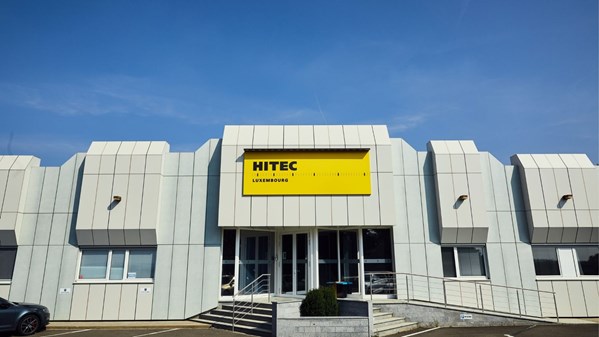
HITEC
Improving the reliability of optical ground stations through predictive analytics
- Process Performance Optimization
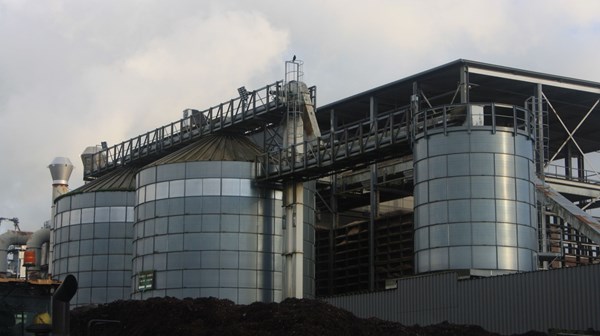
2Valorise
Optimising the steam network to maximise cogeneration plant performance
- Process Performance Optimization
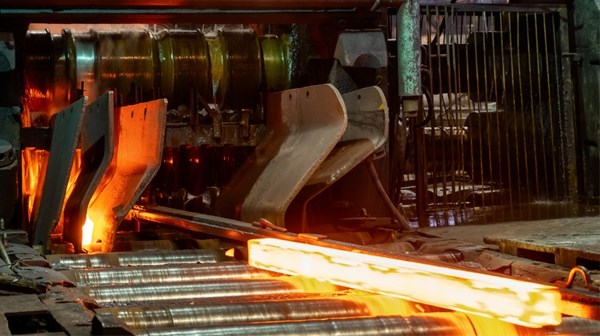
CRM Group
Identifying key hot rolling parameters to control performance...












Want to make decisions differently?
Let’s explore how your data can become a concrete operational lever.
Whatever your segment in the chemical industry
Concrete levers at the core of your processes
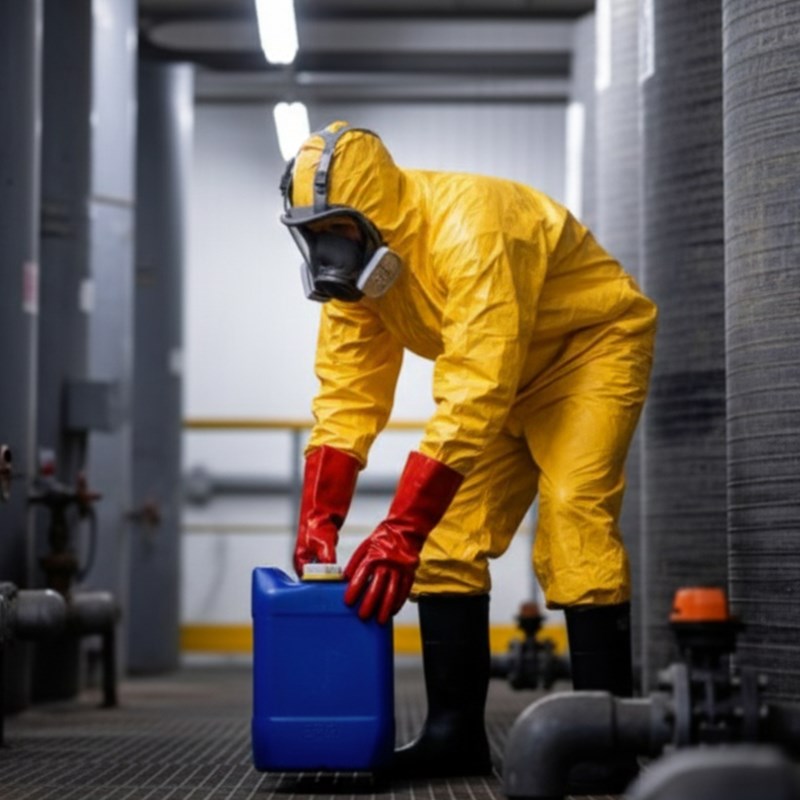
Acids
Optimise highly thermal and corrosive processes by stabilising critical operating parameters and improving energy efficiency
Industrial gases
Better control compression, separation and liquefaction to reduce energy intensity and improve reliability of continuous operations

Plastics
Correlate process parameters, energy and product quality to stabilise extrusion, transformation and recycling performance
Fertilisers
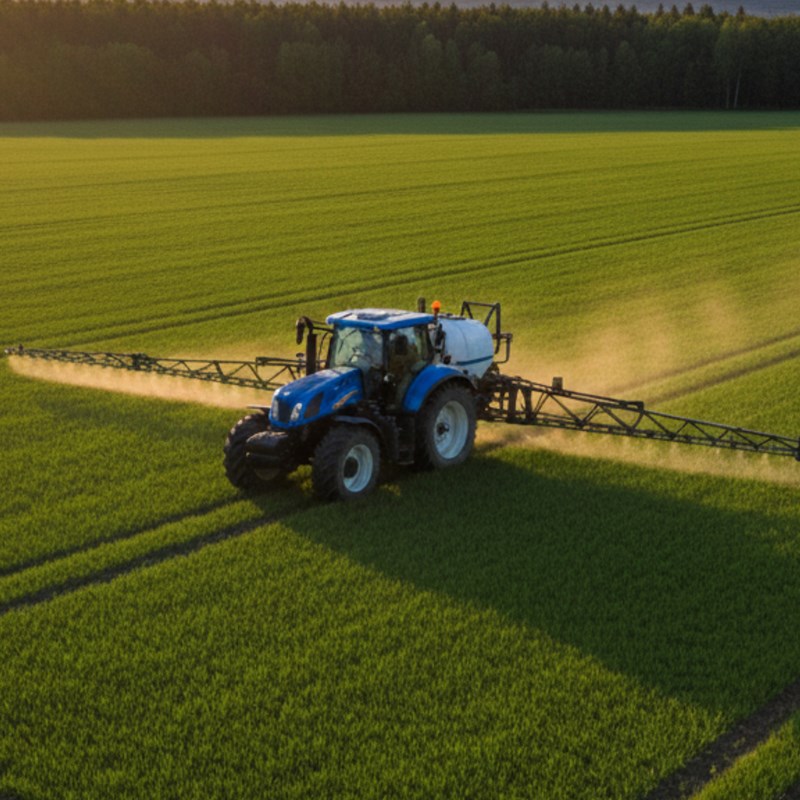
Optimise energy consumption of highly thermal processes while improving production consistency
Specialty chemicals
Enhance batch reproducibility and reduce variability in complex, high-quality-demand processes
Petrochemicals
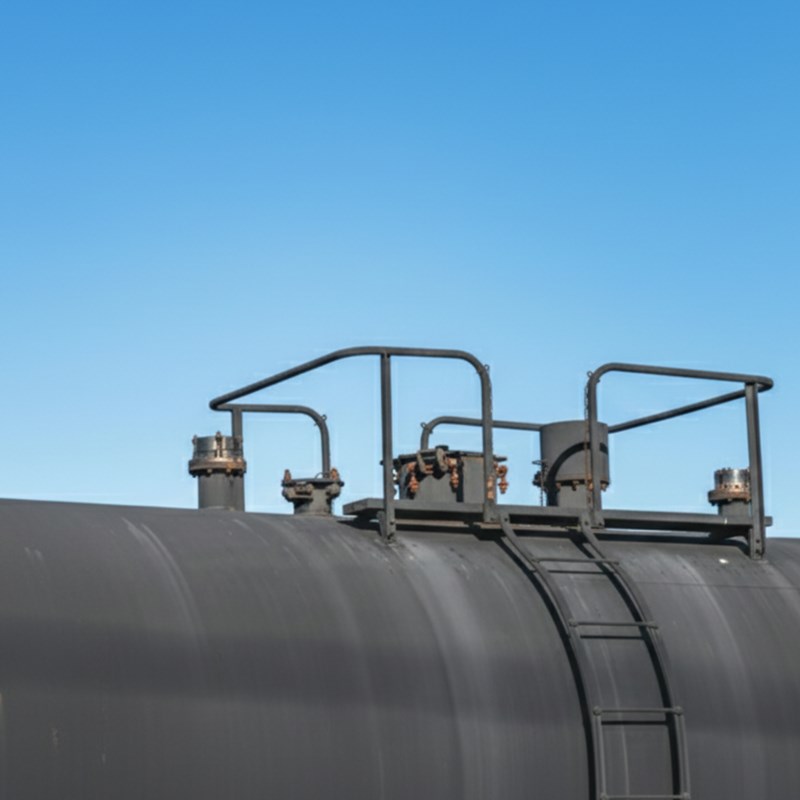
Improve operational stability of continuous units by detecting performance losses early