Stabilise transformation without adding complexity to the shop floor
In plastics processing, performance depends on fine balances: melt viscosity, material temperature, shear, pressure, moisture, additives and utility stability directly determine throughput, dimensions, surface quality and mechanical properties.
Even minor deviations result in scrap, dimensional drift, gels/black specks, bubble instability, fibre breakage or unplanned downtime.
Indao transforms machine, material and quality data (extrusion, injection, compounding, film/fibre, utilities, lab) into reliable operational indicators and concrete recommendations.
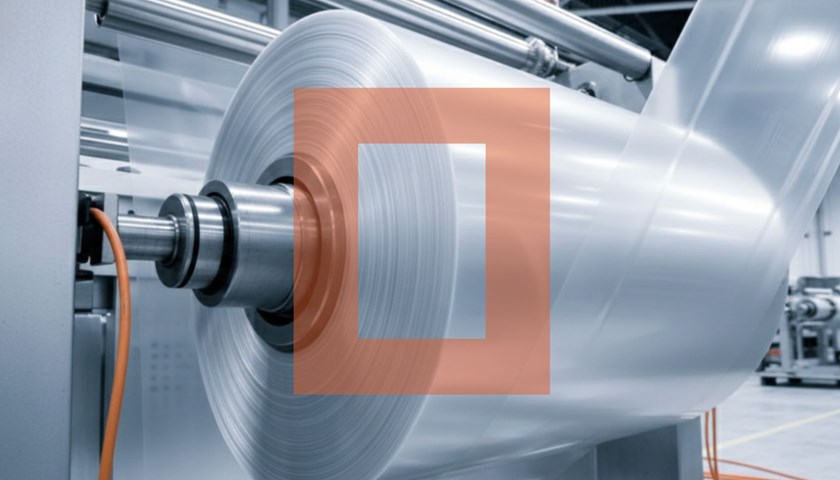
Why plastics processes are different
Processes where the material is continuously “alive”: rheology, thermal behaviour and moisture directly drive quality.

Rheology sensitive to shear and temperature

Narrow process window and visible quality

Increasing variability of materials and recyclates
The challenges you face
- Melt stability & throughput: maintain consistent material viscosity despite variations in batches, recyclates and temperatures
- Product quality & defects: gels, black specks, burns, bubbles, delamination, brittleness, dimensional drift, haze/opacity
- Energy & utilities: optimisation of heating zones, cooling (water/air), compressed air, vacuum and thermal equipment efficiency
- Line availability: filter clogging, screw breakage, wear, melt pump drift, bubble instability, blockages and unplanned downtime
- Traceability & compliance: linking process conditions ↔ lab results (MFR, DSC, moisture) ↔ SPC ↔ non-conformities
The limits of your current tools
- Machine alarms based on fixed thresholds (pressure / temperature / amperage) that ignore material, recipe and operating regime
- Quality controls often delayed (MFR, DSC, density, moisture) → corrections come too late
- Siloed data across machine supervision, MES, lab, maintenance and energy → difficult to link process cause ↔ defect
- Operator-dependent settings (“by feel”), poorly capitalised and difficult to transfer across lines or sites
- Limited continuous estimation of material indicators (apparent viscosity, melt stability, moisture) and sensor drifts
What Indao delivers in practice
We design advanced analytics solutions that truly improve control of plastics processes, with AI as a support : explainable, controlled and field-oriented.
What you gain
Operational results, not just more dashboards

Reduced scrap and non-conformities
Early detection of material/machine drifts
→ fewer visible defects and dimensional deviations

More stable production and consistent quality
Better control of the process window despite material and recyclate variability
→ fewer trial-and-error adjustments

Increased line availability
Identification of conditions leading to filter clogging, bubble instability or blockages
→ fewer unplanned stoppages

Improved energy efficiency
kWh/kg monitoring and optimisation of heating/cooling
→ reduced consumption without compromising quality

Empowered teams
Shared references (operators, process engineers, quality) and actionable recommendations based on real signals

Controlled integration
Progressive, secure deployment without overloading IT/OT or disrupting existing routines
See clearly. Act decisively. Optimise sustainably.
Decisions that have already proven their impact
- Asset Reliability & Uptime
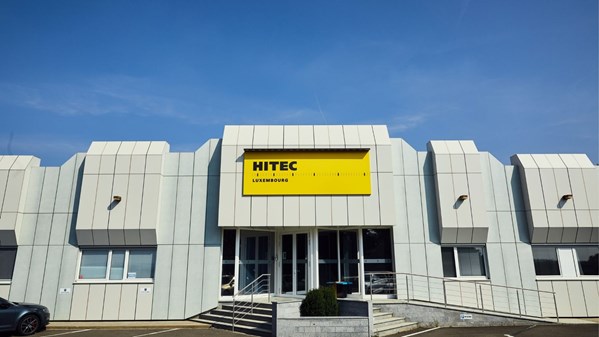
HITEC
Improving the reliability of optical ground stations through predictive analytics
- Process Performance Optimization
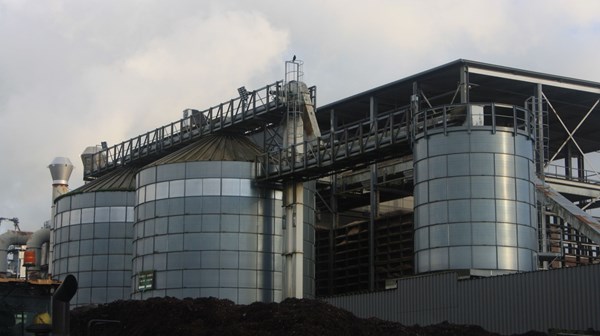
2Valorise
Optimising the steam network to maximise cogeneration plant performance
- Process Performance Optimization
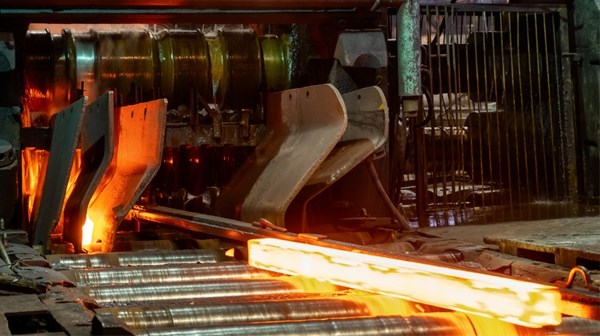
CRM Group
Identifying key hot rolling parameters to control performance...













Want to make decisions differently?
Let’s explore how your data can become a concrete operational lever.
Whatever your segment in the chemical industry
Concrete levers at the core of your processes
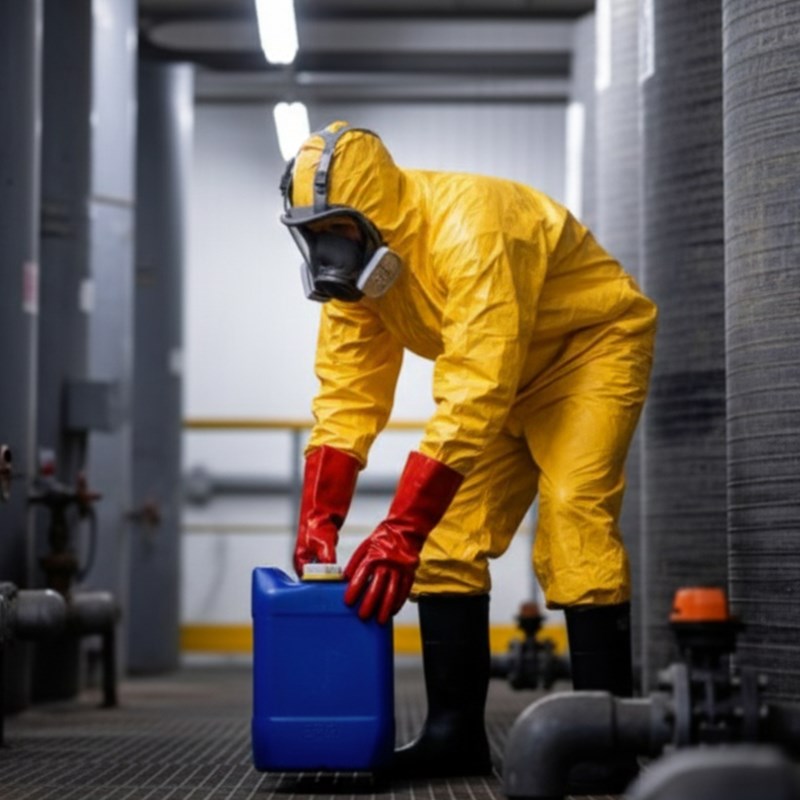
Acids
Optimise highly thermal and corrosive processes by stabilising critical operating parameters and improving energy efficiency
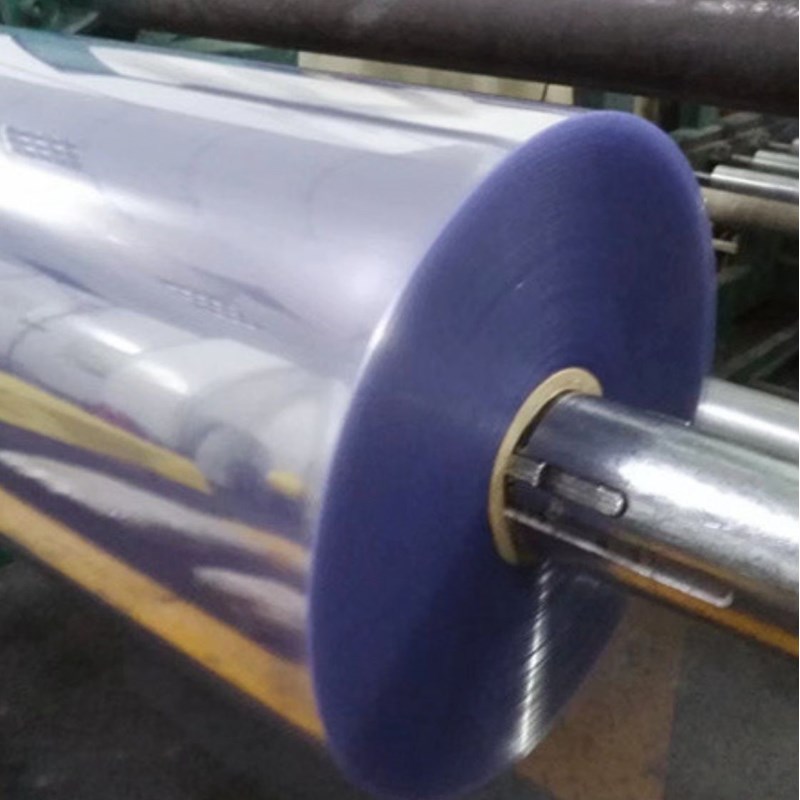
PVC
Improve control of polymerisation conditions and reduce process variability to ensure product consistency and material performance
Industrial gases
Better control compression, separation and liquefaction to reduce energy intensity and improve reliability of continuous operations

Fertilisers
Optimise energy consumption of highly thermal processes while improving production consistency
Specialty chemicals
Enhance batch reproducibility and reduce variability in complex, high-quality-demand processes
Petrochemicals
Improve operational stability of continuous units by detecting performance losses early