Stabilise reactions, secure fertiliser production
Fertiliser production combines highly exothermic chemical reactions, evaporation, granulation and drying, where temperature, moisture, dosing and energy balance directly determine final product quality.
Even minor deviations can lead to excessive dust, unstable granulation, energy overconsumption or material yield losses.
Indao transforms data from neutralisation units, evaporation, granulation, drying and utilities into reliable operational indicators and concrete recommendations.
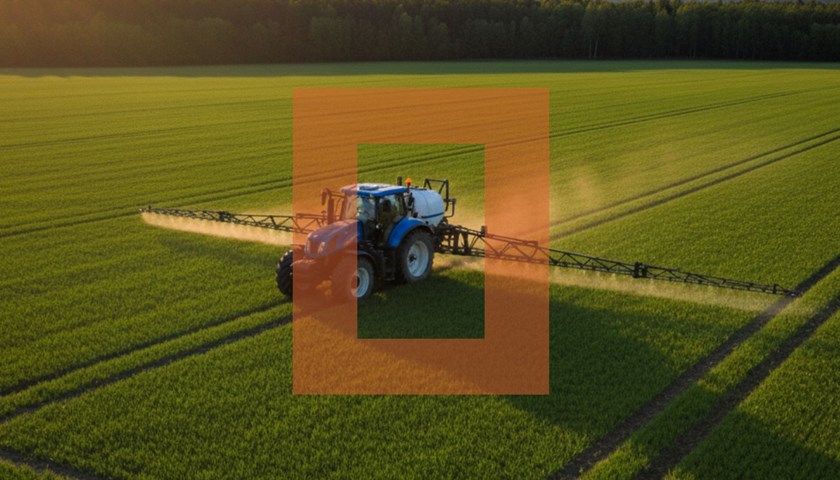
Why fertiliser processes are different
Complex thermo-chemical processes where energy, reaction dynamics and product physical properties are tightly interconnected.

Highly exothermic reactions

Processes driven by moisture and thermal behaviour

Product quality directly linked to the process
The challenges you face
- Reaction control: stabilising neutralisation, controlling temperature and limiting reaction drifts
- Granulation & product quality: controlling particle size, mechanical strength, fines and agglomeration
- Energy & utilities: optimising steam, hot gas, drying and heat recovery in energy-intensive processes
- Emissions & environmental compliance: controlling NH₃, NOx, dust and ensuring traceability of environmental performance
- Unit availability: clogging, deposits, drum instabilities, material variability and unplanned downtime
The limits of your current tools
- Control often based on isolated variables rather than overall process behaviour
- Difficulty linking reaction conditions to final granule quality
- Quality analyses performed too late to effectively correct the process
- Siloed data across DCS, lab, maintenance and energy systems
- Lack of operational models to anticipate granulation drifts or thermal overload
What you gain
Operational results, not just more dashboards

More stable granulation
Reduced particle size variability and improved mechanical strength

Reduced material losses
Early detection of drifts impacting dust, recycling loops and overall yield

Improved energy performance
Optimisation of thermally intensive phases
→ reduced steam and fuel consumption

Better emissions control
More precise monitoring of conditions affecting NH₃, NOx and dust

Higher unit availability
Anticipation of clogging and process instabilities
→ fewer unplanned shutdowns

Controlled integration
Progressive, secure deployment aligned with existing field practices
What Indao delivers in practice
We design advanced analytics solutions that truly improve fertiliser process performance, with AI as a support : explainable, controlled and field-oriented.
See clearly. Act decisively. Optimise sustainably.
Decisions that have already proven their impact
- Asset Reliability & Uptime
HITEC
Improving the reliability of optical ground stations through predictive analytics
- Process Performance Optimization
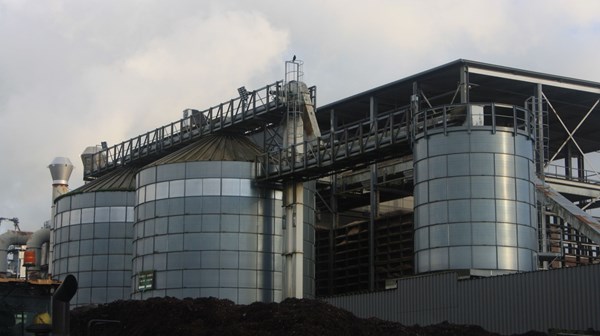
2Valorise
Optimising the steam network to maximise cogeneration plant performance
- Process Performance Optimization
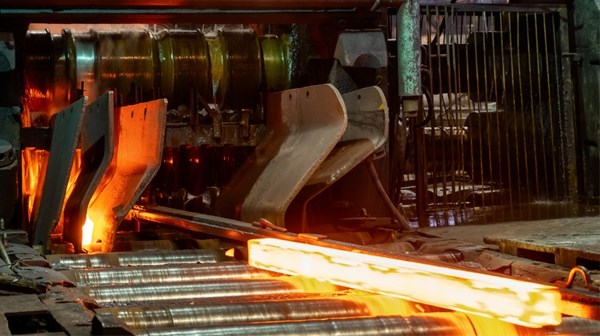
CRM Group
Identifying key hot rolling parameters to control performance...












Want to make decisions differently?
Let’s explore how your data can become a concrete operational lever.
Whatever your segment in the chemical industry
Concrete levers at the core of your processes
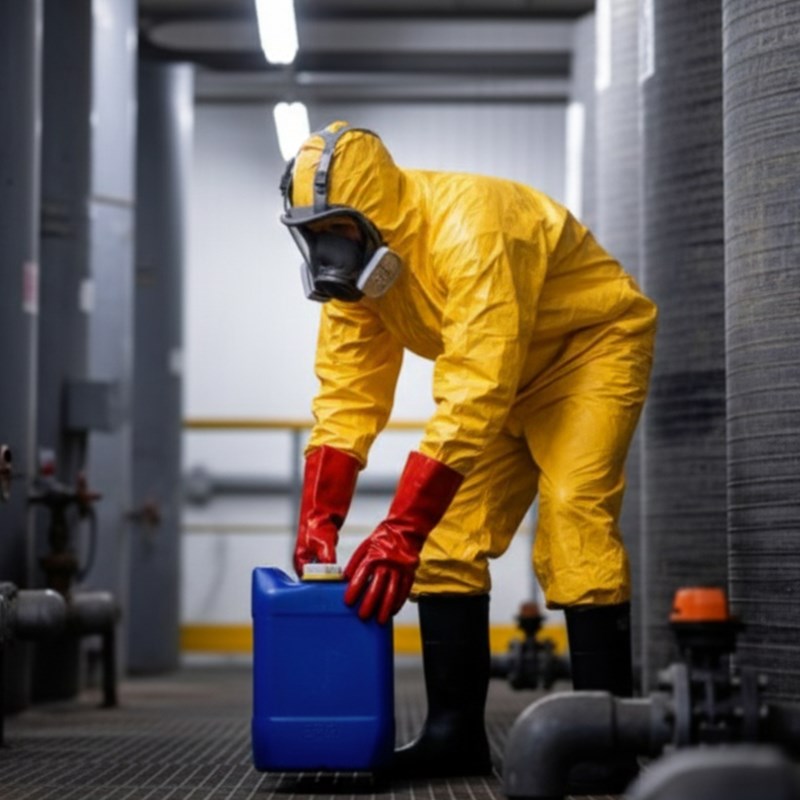
Acids
Optimise highly thermal and corrosive processes by stabilising critical operating parameters and improving energy efficiency
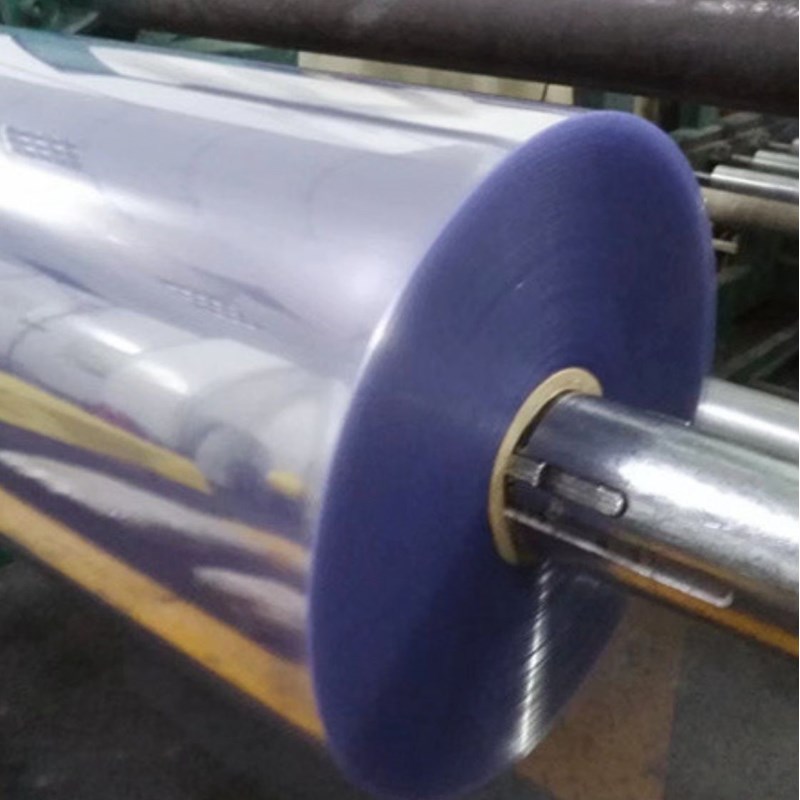
PVC
Improve control of polymerisation conditions and reduce process variability to ensure product consistency
Industrial gases
Better control compression, separation and liquefaction to reduce energy intensity and improve reliability

Plastics
Correlate process parameters, energy and product quality to stabilise transformation performance
Specialty chemicals
Enhance batch reproducibility and reduce variability in complex processes
Petrochemicals
Improve operational stability of continuous units through early drift detection