Stabilise the sheet without limiting machine speed
Paper manufacturing relies on a continuous balance between sheet formation, drainage, pressing and drying, where pulp quality, wet-end chemistry, thermal conditions and mechanical settings directly impact productivity, product quality and energy consumption.
Even minor deviations can lead to sheet breaks, uniformity defects, material losses or reduced machine efficiency.
Indao transforms data from the headbox, forming section, presses, dryers, winders and utilities into reliable operational indicators and concrete recommendations.
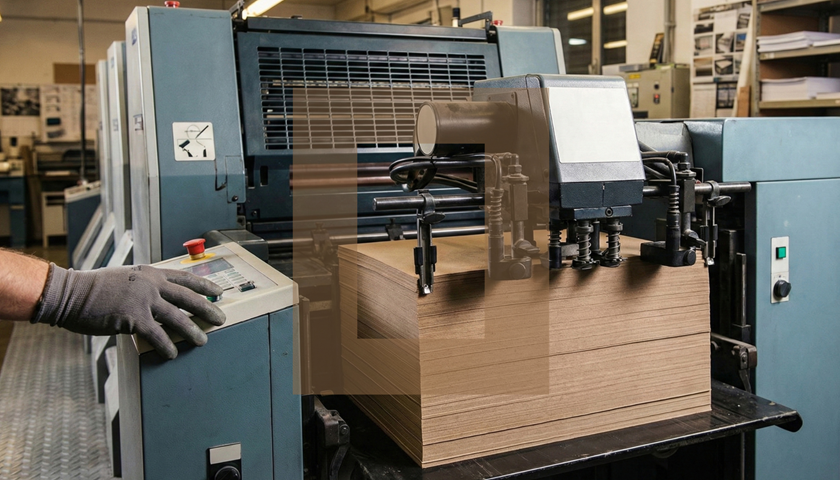
Why paper machines are different
High-speed continuous lines where process stability and mechanical performance must remain perfectly synchronised.

Strongly coupled end-to-end process

High machine speeds

High thermal and mechanical energy intensity
The challenges you face
- Sheet formation stability: control basis weight, cross-direction profile and uniformity despite pulp variability
- Machine availability: reduce sheet breaks and downtime caused by process instability
- Product quality: control final moisture, mechanical strength and surface properties
- Energy performance: optimise dryer steam, vacuum and drives
- Equipment fouling: anticipate deposits on felts, wires and drainage systems
The limits of your current tools
- Operations often segmented between wet end, press and drying sections
- Difficulty correlating pulp quality with actual machine behaviour
- Fixed-threshold alarms not suited to high-speed dynamics
- Quality analysis often available only after production
- Limited tools to anticipate instabilities leading to sheet breaks
What Indao delivers in practice
We design advanced analytics solutions that genuinely improve paper machine performance, with AI as a support : explainable, controlled and field-oriented.
What you gain
Operational results, not just more dashboards

Reduced sheet breaks
Early detection of instabilities
→ significant improvement in machine availability

Optimised machine speed
Better process control enabling higher productivity

More consistent product quality
Stabilised basis weight, moisture and mechanical properties

Improved energy performance
Optimised dryer steam and vacuum systems
→ reduced consumption

More robust operational decisions
Clear understanding of interactions between pulp, machine and energy

Controlled integration
Progressive, secure deployment aligned with existing practices
See clearly. Act decisively. Optimise sustainably.
Decisions that have already proven their impact
- Asset Reliability & Uptime
HITEC
Improving the reliability of optical ground stations through predictive analytics
- Process Performance Optimization
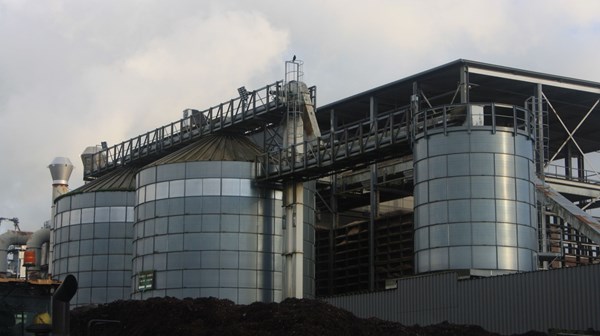
2Valorise
Optimising the steam network to maximise cogeneration plant performance
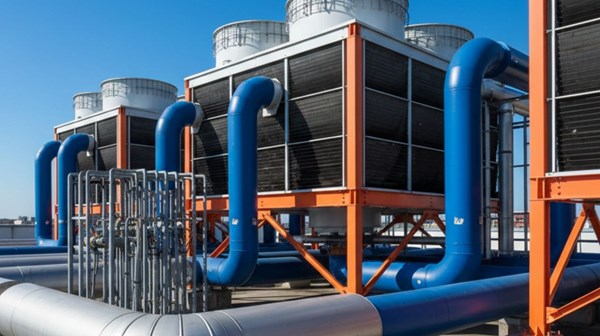
- Process Performance Optimization
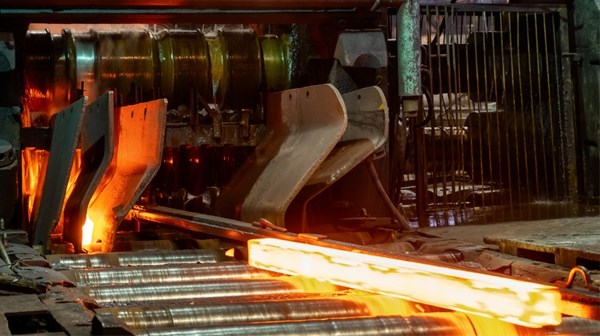
CRM Group
Identifying key hot rolling parameters to control performance...














Want to make decisions differently?
Let’s explore how your data can become a concrete operational lever.
Whatever your activity in the pulp & paper sector
Concrete levers at the core of processes
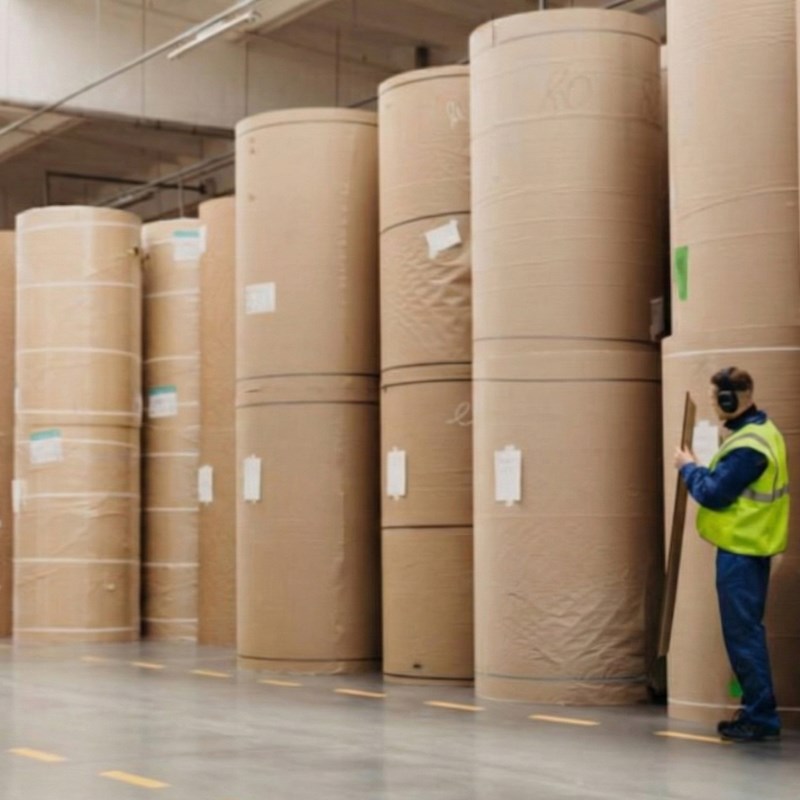
Kraft pulp
Optimise operating conditions to stabilise the process and improve overall energy efficiency

Packaging
Stabilise production and control quality variability to improve overall industrial performance
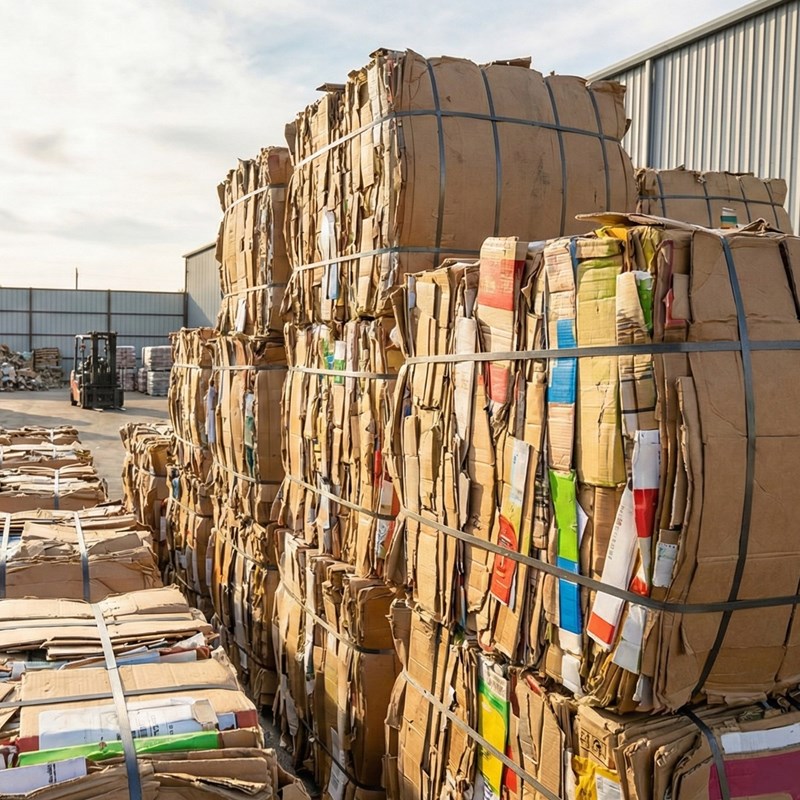
Recycled pulp
Correlate raw material variability with process parameters to improve consistency and operational performance
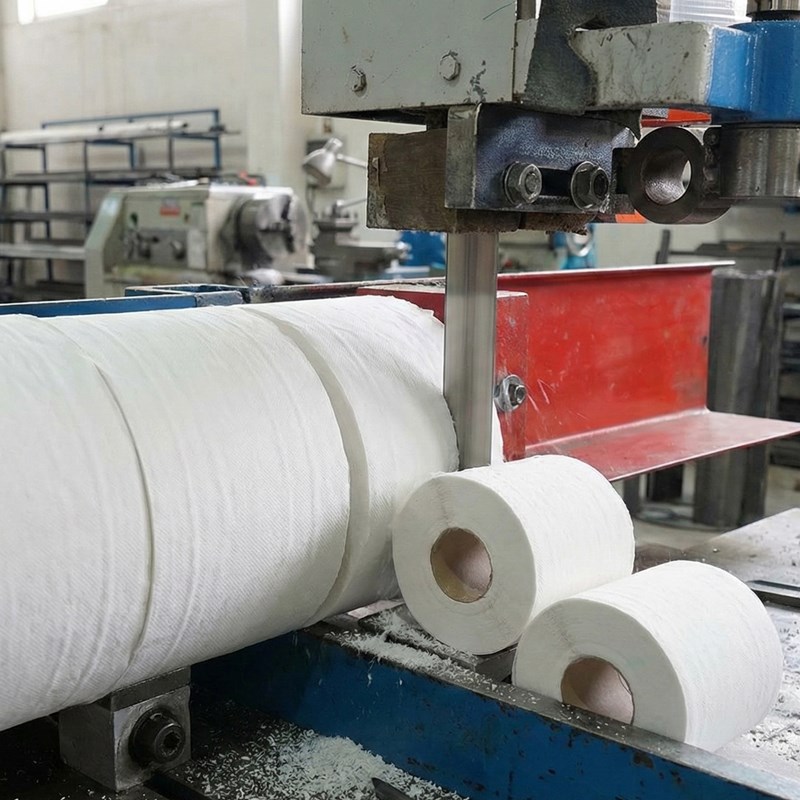
Tissue
Optimise the balance between machine speed, product quality and energy efficiency