Stabilise cutting without slowing production
Industrial laser cutting relies on precise thermal and optical balances, where beam power, focus, feed rate and assist gas directly impact cut quality, dimensional repeatability and overall productivity.
Even minor deviations can lead to burrs, excessive heat-affected zones, material losses or unplanned downtime due to optical or mechanical issues.
Indao transforms data from laser sources, optical heads, motion systems, assist gas and machine sensors into reliable operational indicators and concrete recommendations.
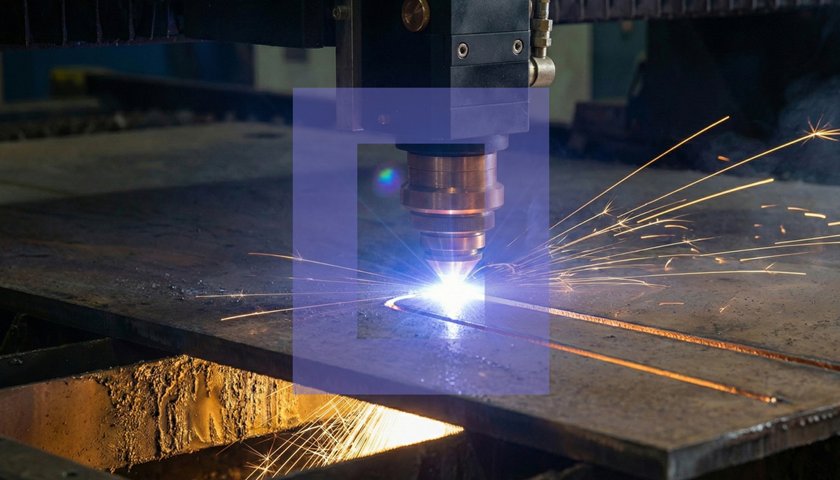
Why laser machines are different
Sensitive opto-mechanical systems where energy precision and machine dynamics must remain perfectly synchronised.

Thermal interaction between material and beam

Sensitivity to optical and mechanical drifts

Demanding multi-material production
The challenges you face
- Cut quality: maintain consistent dimensional accuracy and surface finish
- Machine availability: reduce downtime caused by optical contamination or axis drift
- Gas and energy consumption: optimise use of assist gas and laser power
- Production performance: maintain high throughput despite material variability
- Optical component maintenance: anticipate degradation of lenses, nozzles or cooling systems
The limits of your current tools
- Control often based on fixed recipes not suited to material variability
- Difficulty correlating laser parameters with actual part quality
- Data fragmented across CNC, optics and maintenance systems
- Quality defects often detected after cutting or downstream inspection
- Limited tools to anticipate progressive drifts affecting beam stability
What Indao delivers in practice
We design advanced analytics solutions that genuinely improve laser cutting performance, with AI as a support : explainable, controlled and field-oriented.
What you gain
Operational results, not just more dashboards

More consistent cut quality
Reduced burrs and dimensional defects

Increased machine availability
Anticipation of optical and mechanical drifts

Optimised gas and energy consumption
More precise control of beam parameters and assist gas

Improved productivity
Reduced operator adjustments and rework

More robust operational decisions
Clear understanding of interactions between beam, material and machine

Controlled integration
Progressive, secure deployment aligned with existing practices
See clearly. Act decisively. Optimise sustainably.
Decisions that have already proven their impact
- Asset Reliability & Uptime
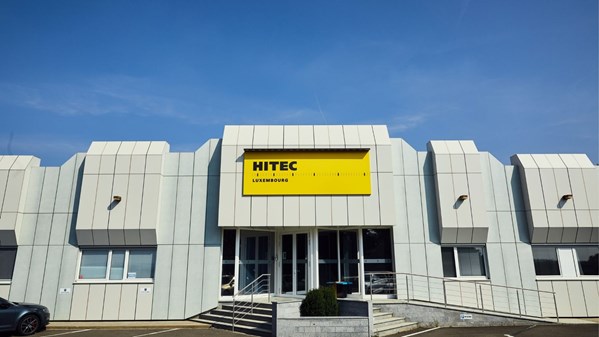
HITEC
Improving the reliability of optical ground stations through predictive analytics
- Process Performance Optimization
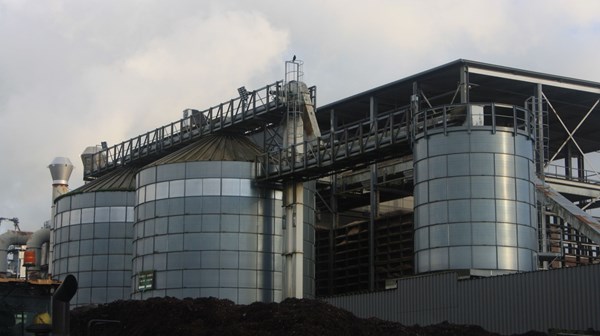
2Valorise
Optimising the steam network to maximise cogeneration plant performance
- Process Performance Optimization
CRM Group
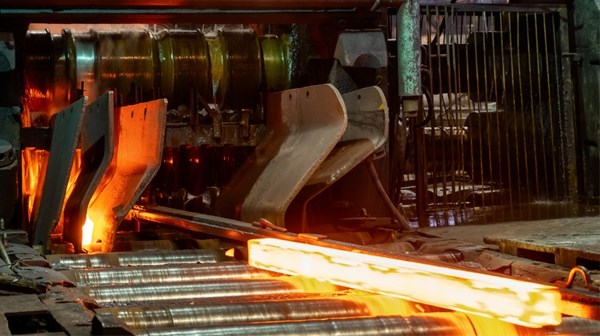
Identifying key hot rolling parameters to control performance...












Want to make decisions differently?
Let’s explore how your data can become a concrete operational lever.
Whatever your machine tool environment
Concrete levers at the core of processes
CNC machines
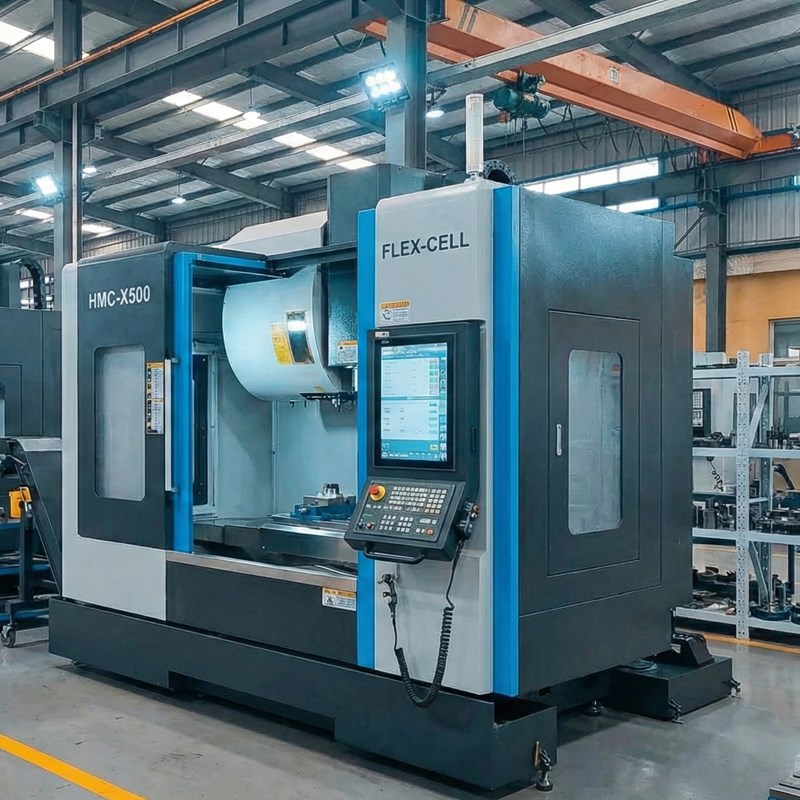
Analyse machine behaviour to anticipate deviations, improve machining precision and enhance equipment availability