Adapt thermal production without overconsuming energy
Industrial HVAC systems rely on a constant balance between thermal production, energy distribution and the real needs of buildings or processes. Weather variations, zone occupancy and thermal inertia directly impact comfort, stability and energy consumption.
Even minor deviations can lead to overproduction, discomfort or energy waste.
Indao transforms data from air handling units, chillers, boilers, heat pumps and hydraulic networks into reliable indicators and concrete recommendations.
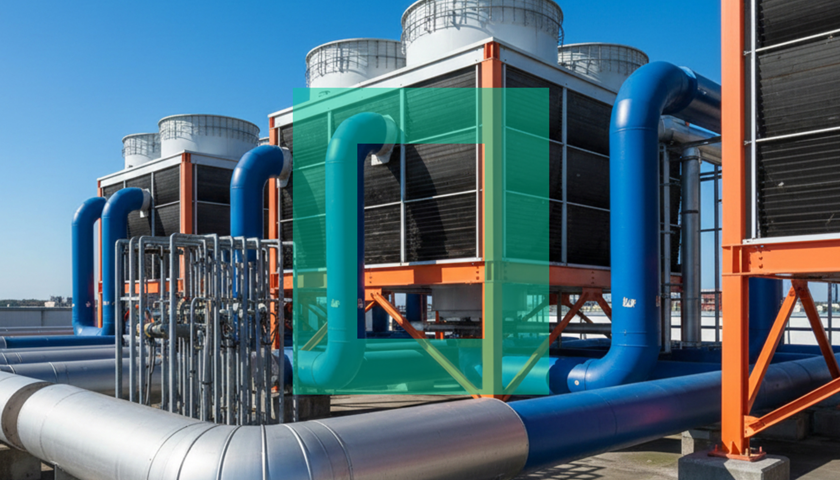
Why HVAC systems are different
Dynamic energy systems where anticipation and adaptation drive overall performance.

Highly variable thermal demand

Thermal inertia of installations

Multiple interconnected systems
The challenges you face
- Adaptation to real demand: adjust heating/cooling production despite rapid variations in usage or weather
- Energy performance: limit overproduction and short cycling that damages equipment efficiency
- Comfort and process stability: maintain temperature and humidity within required ranges
- Equipment availability: anticipate drifts affecting chillers, fans or pumps
- Multi-system control: coordinate production, distribution and regulation across complex architectures
The limits of your current tools
- Local control loops often operate independently without a global system view
- Control based on fixed setpoints not suited to real variations
- Difficulty correlating energy consumption with thermal behaviour of zones
- Analysis often performed after discomfort or overconsumption occurs
- Limited tools to anticipate thermal inertia effects
What Indao delivers in practice
We design advanced analytics solutions that genuinely improve HVAC system performance, with AI as a support : explainable, controlled and field-oriented.
What you gain
Operational results, not just more dashboards

Reduced energy consumption
Alignment between thermal production and real demand
→ significant reduction in energy costs

Improved thermal stability
Anticipation of deviations linked to inertia and climate variations

Extended equipment lifespan
Reduction of short cycles and unnecessary stress on equipment

Enhanced comfort and process performance
Stable environmental conditions for sensitive operations

More robust energy decisions
Clear understanding of interactions between weather, operations and consumption

Controlled integration
Progressive, secure deployment aligned with existing practices
See clearly. Act decisively. Optimise sustainably.
Decisions that have already proven their impact
- Asset Reliability & Uptime
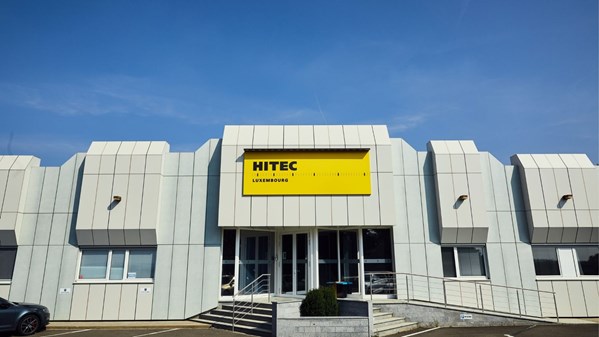
HITEC
Improving the reliability of optical ground stations through predictive analytics
- Process Performance Optimization
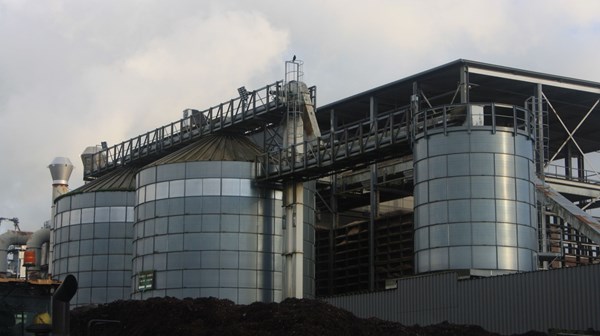
2Valorise
Optimising the steam network to maximise cogeneration plant performance
- Process Performance Optimization
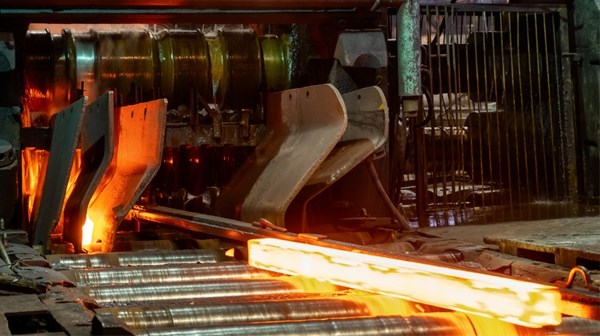
CRM Group
Identifying key hot rolling parameters to control performance...










Want to make decisions differently?
Let’s explore how your data can become a concrete operational lever.
Whatever your activity in the energy sector
Concrete levers at the core of processes
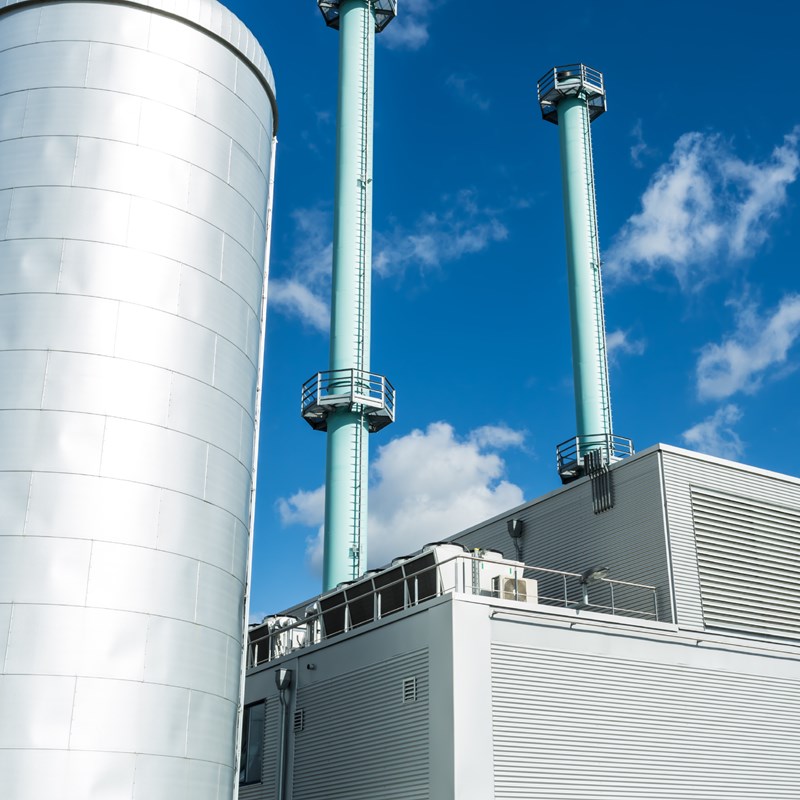
Cogeneration
Optimise thermal and electrical control to maximise overall efficiency and energy valorisation
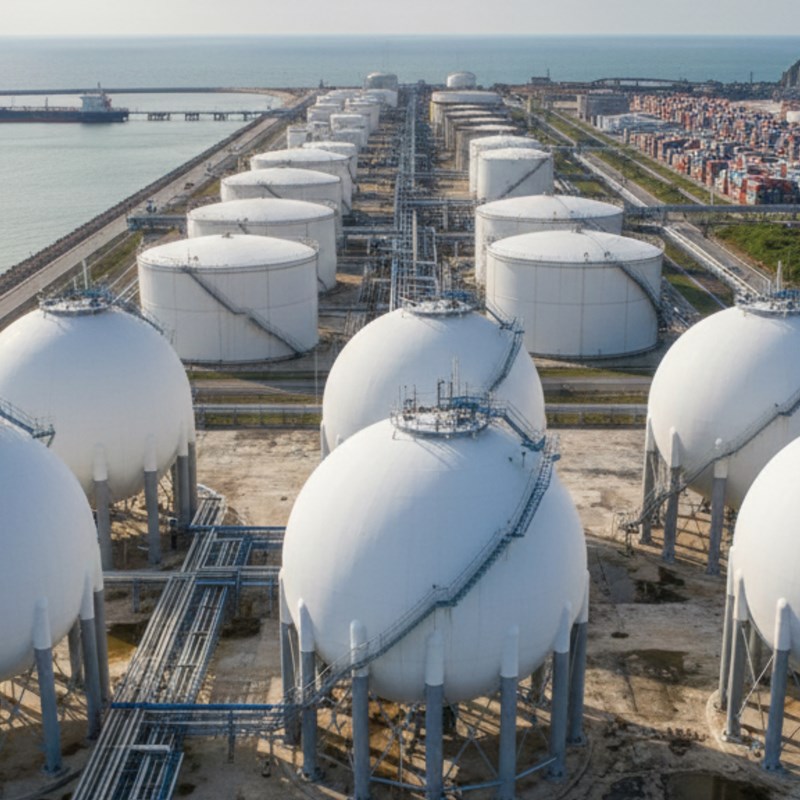
Green hydrogen
Improve operating condition stability and energy efficiency of production units
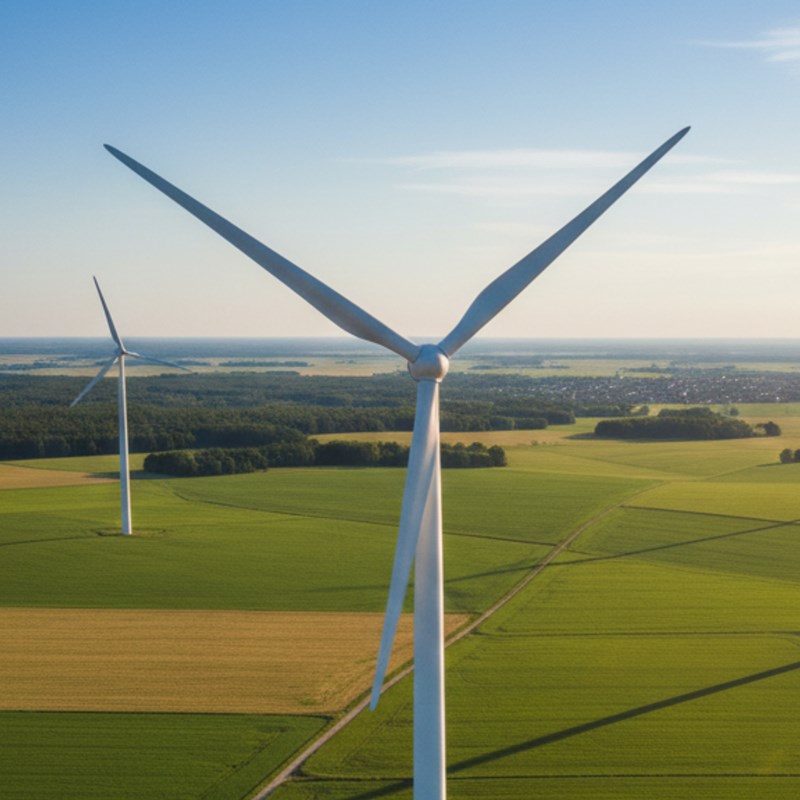
Wind energy
Analyse operational performance to improve asset availability and energy yield
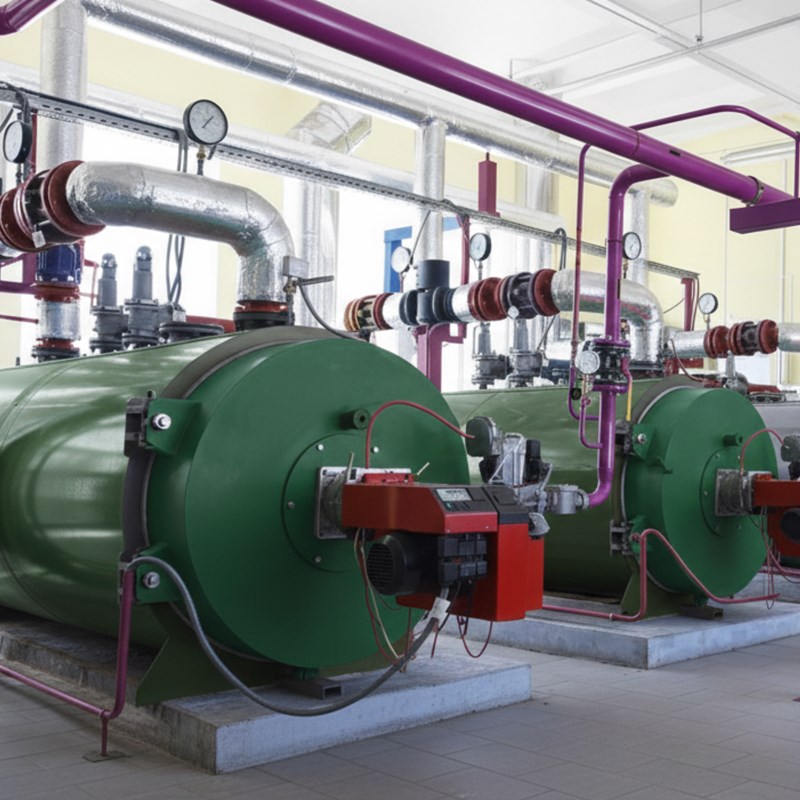
Boilers
Optimise combustion and thermal efficiency to reduce energy losses and improve operational stability