Maximise overall efficiency without adding operational complexity
Cogeneration units rely on a constant balance between electricity production, heat recovery and variable operating conditions. Engine or turbine load, fuel quality, heat recovery and site demand directly impact energy efficiency and operational stability.
Even small deviations can lead to reduced heat valorisation, higher fuel consumption or unstable production.
Indao transforms data from engines, turbines, heat exchangers, steam/hot water networks and utilities into reliable operational indicators and concrete recommendations.
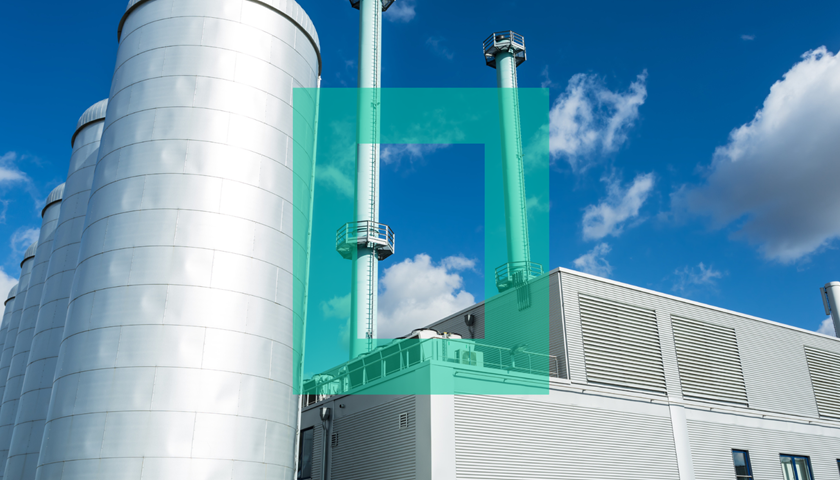
Why cogeneration units are different
Coupled energy systems where thermal and electrical performance must remain continuously aligned.

Multi-energy interdependent production

Strong dependence on site operating conditions

Efficiency sensitive to gradual drifts
The challenges you face
- Overall energy efficiency: maximise both electrical production and thermal recovery
- Operational stability: maintain performance despite load or fuel variability
- Thermal valorisation: adapt heat production to actual site demand
- Asset availability: anticipate drifts in engines, turbines or exchangers
- Environmental performance: control emissions and fuel consumption
The limits of your current tools
- Operations often managed separately between electrical production and thermal networks
- Fixed-threshold alarms poorly suited to multi-energy dynamics
- Difficulty identifying gradual efficiency losses
- Performance analyses often carried out after visible degradation
- Limited tools to correlate site conditions with actual energy efficiency
What Indao delivers in practice
We design advanced analytics solutions that genuinely improve cogeneration performance, with AI as a support: explainable, controlled and field-oriented.
What you gain
Operational results, not just more dashboards

Improved overall efficiency
Early identification of losses
→ better thermal and electrical valorisation

Reduced fuel consumption
Optimised operating conditions to produce more with less

Increased asset availability
Anticipation of drifts affecting engines, turbines or exchangers

Enhanced environmental performance
Reduced emissions through more precise control

More robust energy decisions
Clear understanding of interactions between site demand and energy production

Controlled integration
Progressive, secure deployment aligned with existing practices
See clearly. Act decisively. Optimise sustainably.
Decisions that have already proven their impact
- Asset Reliability & Uptime
HITEC
Improving the reliability of optical ground stations through predictive analytics
- Process Performance Optimization
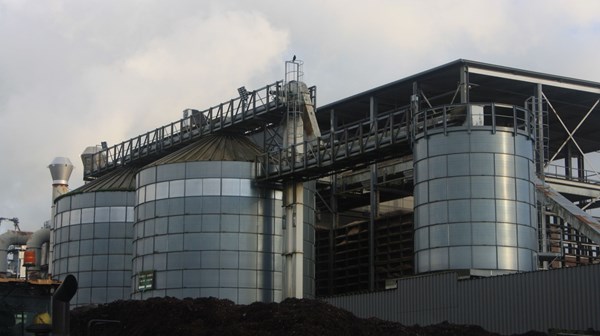
2Valorise
Optimising the steam network to maximise cogeneration plant performance
- Process Performance Optimization
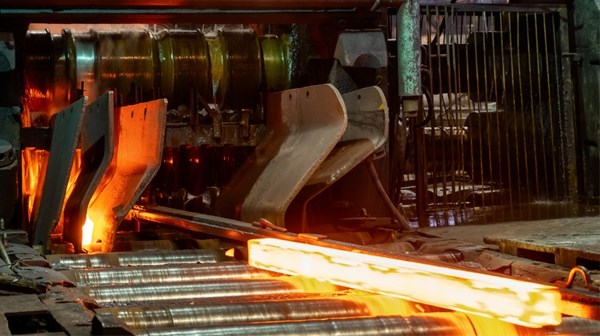
CRM Group
Identifying key hot rolling parameters to control performance...










Want to make decisions differently?
Let’s explore how your data can become a concrete operational lever.
Whatever your activity in the energy sector
Concrete levers at the core of processes
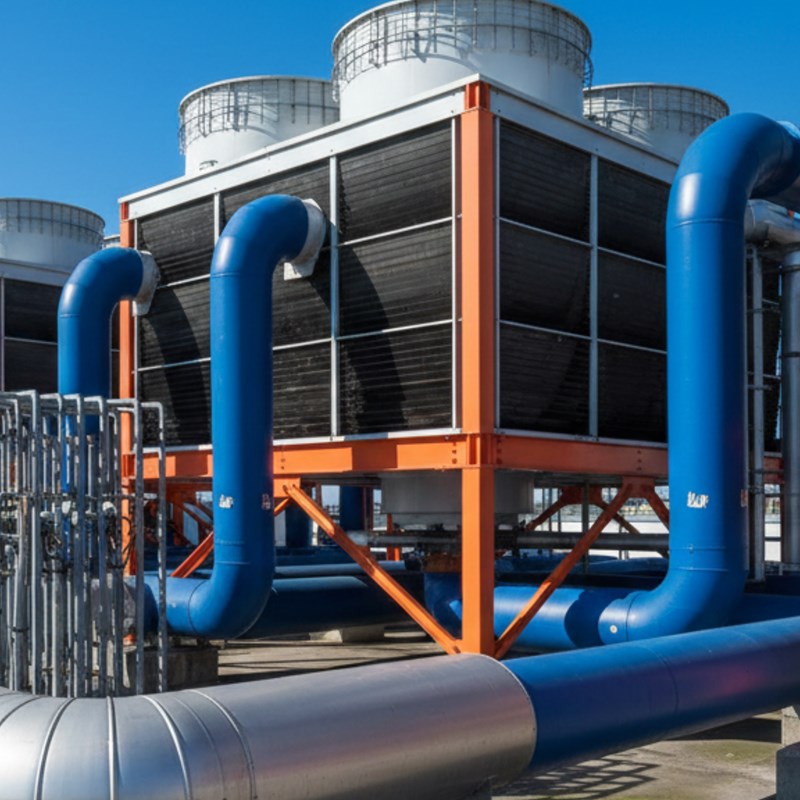
HVAC
Dynamically adjust heating and cooling production based on real needs to reduce consumption and deviations
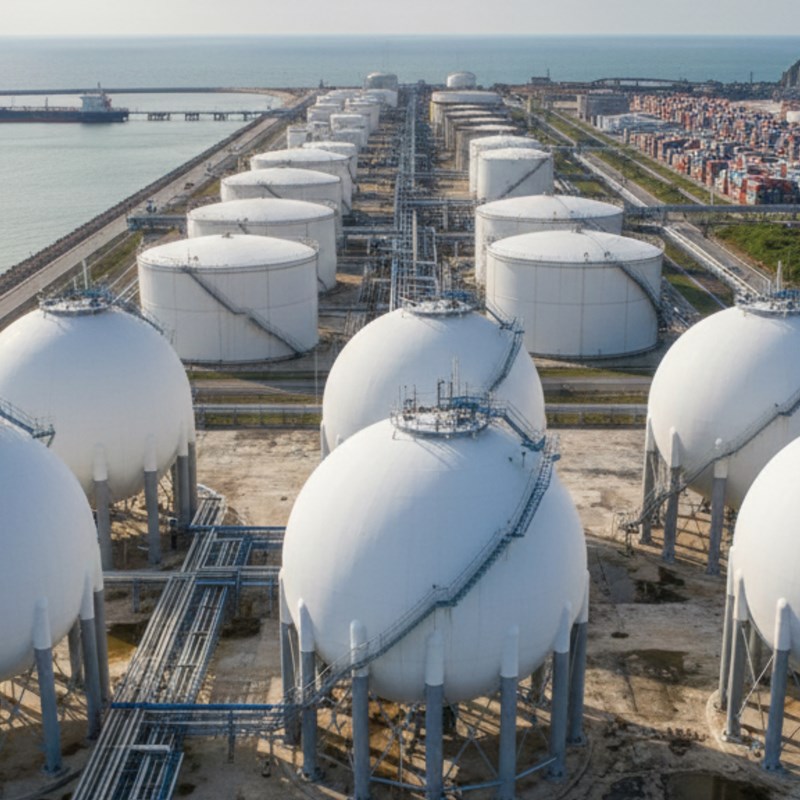
Green hydrogen
Improve operating condition stability and energy efficiency of production units
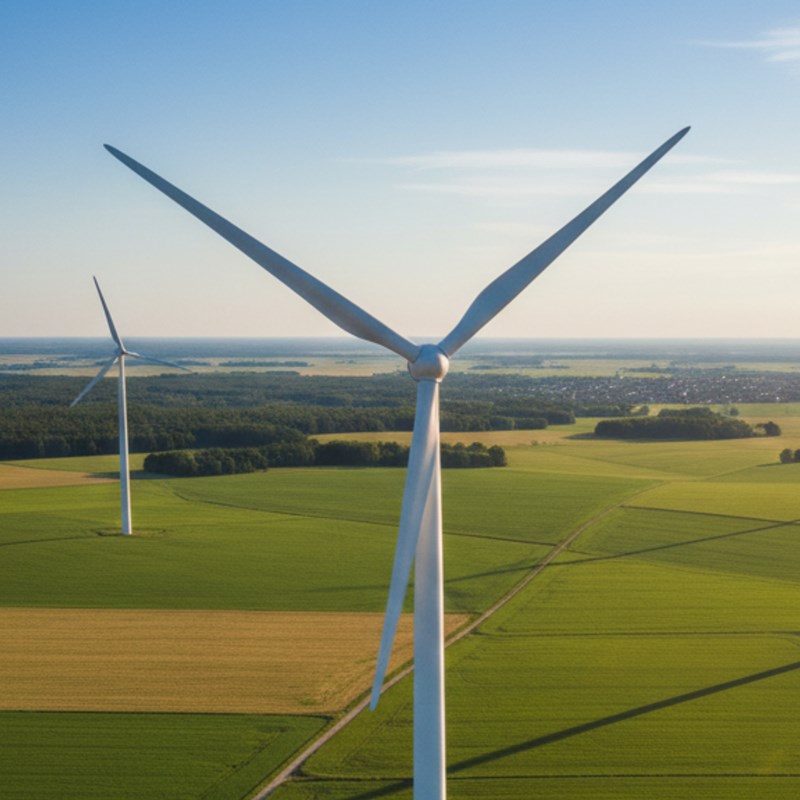
Wind energy
Analyse operational performance to improve asset availability and energy yield
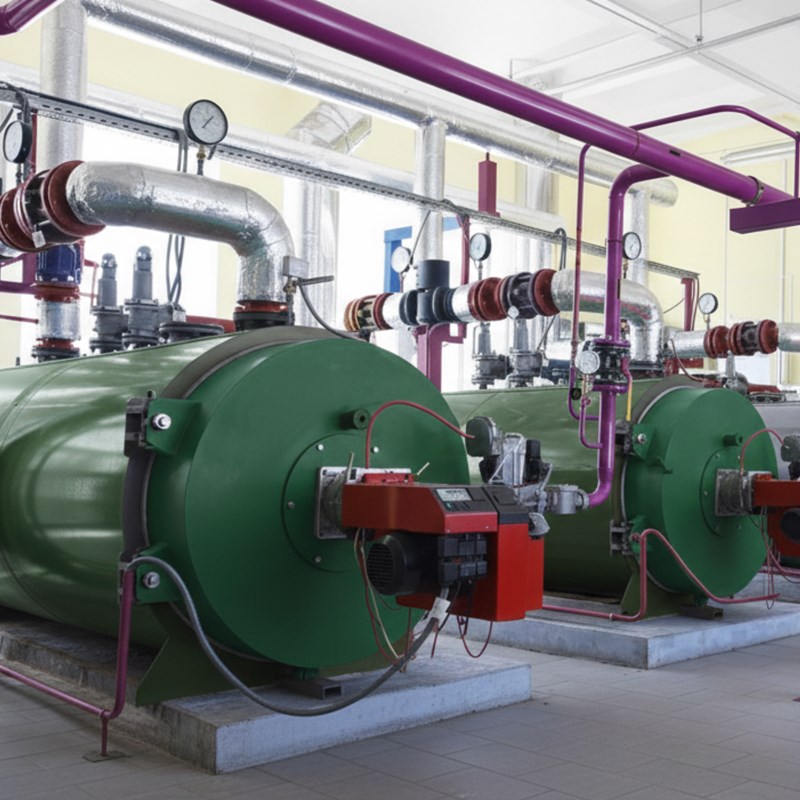
Boilers
Optimise combustion and thermal efficiency to reduce energy losses and improve operational stability