Stabilise melting without increasing energy intensity
Glass manufacturing relies on demanding continuous thermal processes where batch composition, melting, refining and forming must remain perfectly controlled to ensure optical quality, material yield and operational stability.
Even minor deviations can lead to glass defects, viscosity instability, energy overconsumption or premature furnace degradation.
Indao transforms data from glass furnaces, thermal conditioning zones, feeders, forming lines and utilities into reliable operational indicators and concrete recommendations.

Why glass processes are different
Continuous high-inertia thermal processes where material chemistry and heat transfer are inseparable.

Continuous high-temperature melting

High furnace inertia

Raw material variability and cullet usage
The challenges you face
- Melting stability: maintain thermal homogeneity and molten glass viscosity
- Product quality: reduce inclusions, cords, bubbles and optical defects
- Energy performance: optimise combustion or electric heating in energy-intensive processes
- Furnace lifetime: limit thermal stress affecting refractories and equipment
- Equipment availability: anticipate drifts affecting feeders, forming or cooling
The limits of your current tools
- Operations often rely on historical trends and operator expertise
- Fixed-threshold alarms poorly suited to the thermal inertia of molten glass
- Difficulty correlating batch composition with actual furnace behaviour
- Quality analyses often available only after production or downstream inspection
- Limited tools to anticipate gradual drifts impacting energy efficiency
What Indao delivers in practice
We design advanced analytics solutions that genuinely improve glass process performance, with AI as a support : explainable, controlled and field-oriented.
What you gain
Operational results, not just more dashboards

More stable melting process
Early detection of drifts
→ improved melt homogeneity

Improved product quality
Reduction of optical defects and inclusions

Reduced energy consumption
Optimised combustion and heat transfer
→ lower kWh or fuel per tonne

Extended furnace lifetime
Reduced thermal stress on refractories

More robust operational decisions
Clear understanding of interactions between materials, thermal behaviour and energy

Controlled integration
Progressive, secure deployment aligned with existing practices
See clearly. Act decisively. Optimise sustainably.
Decisions that have already proven their impact
- Asset Reliability & Uptime
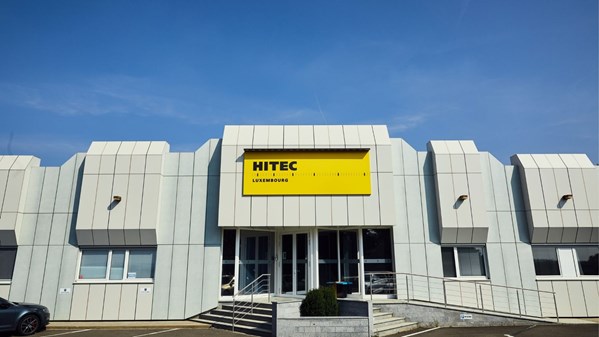
HITEC
Improving the reliability of optical ground stations through predictive analytics
- Process Performance Optimization
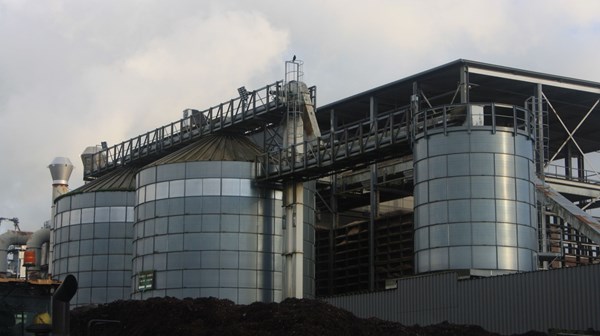
2Valorise
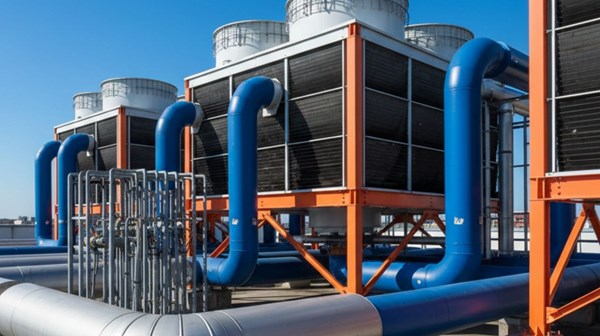
Optimising the steam network to maximise cogeneration plant performance
- Process Performance Optimization
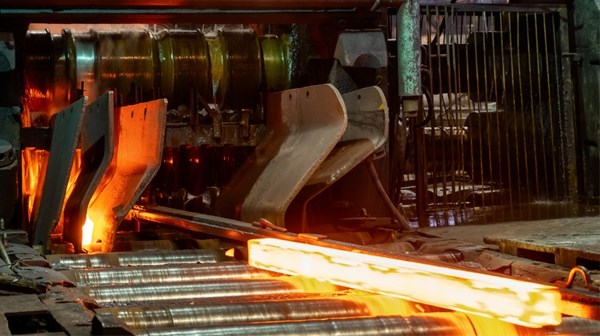
CRM Group
Identifying key hot rolling parameters to control performance...












Want to make decisions differently?
Let’s explore how your data can become a concrete operational lever.
Whatever your activity in the metals & minerals sector
Concrete levers at the core of processes
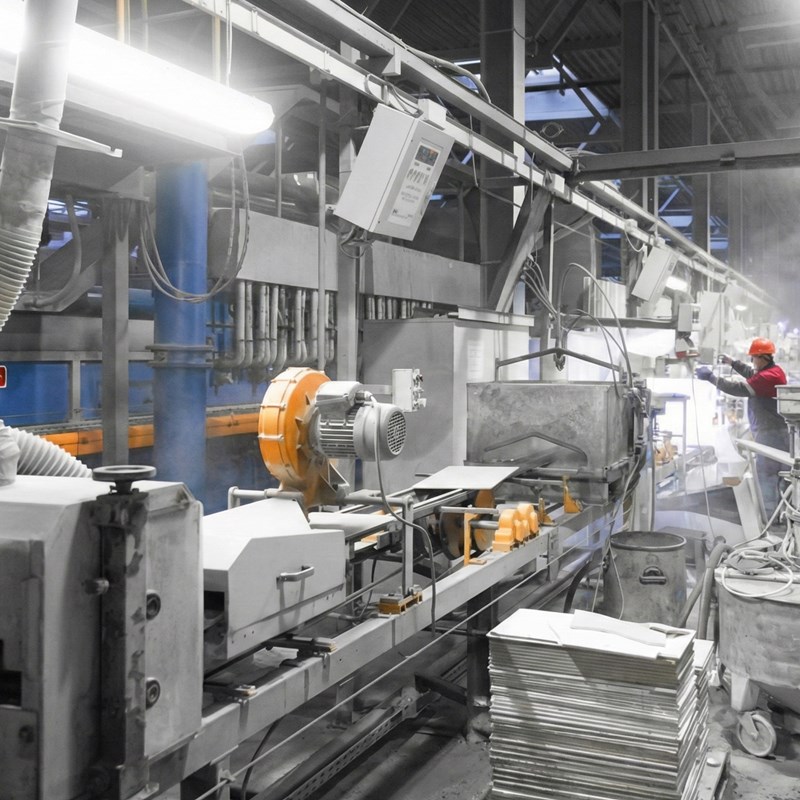
Cement
Optimise thermal process control (kiln, preheating, grinding) by stabilising operating conditions and reducing specific energy intensity per tonne produced
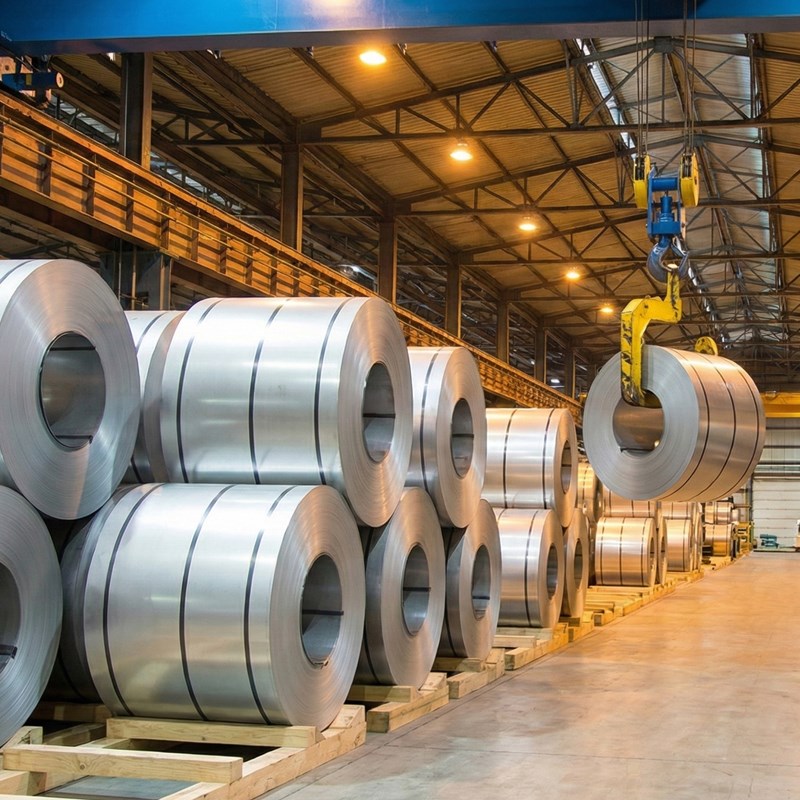
Steel
Improve metallurgical process stability by controlling process deviations and optimising energy efficiency of critical units
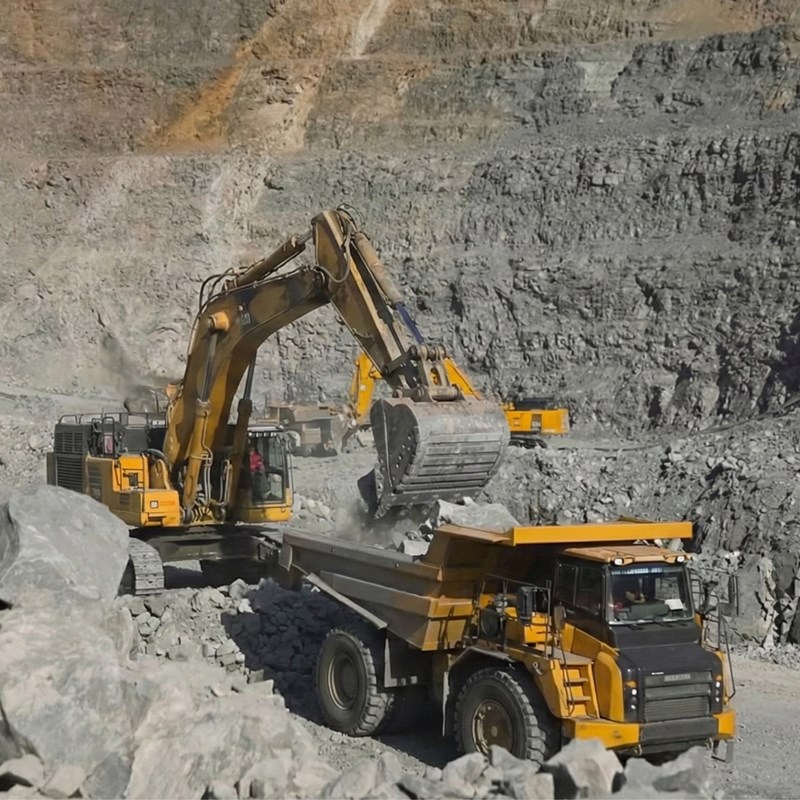
Mining
Control processing and beneficiation plants more precisely to maximise operational availability and overall energy performance
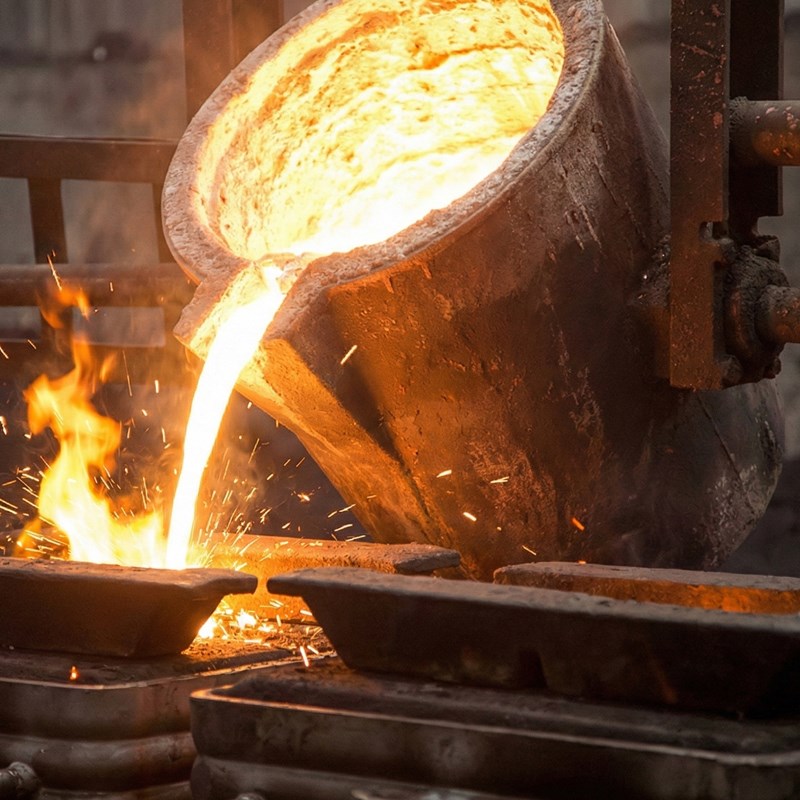
Non-ferrous metals
Correlate process parameters, energy consumption and material quality to reduce metallurgical variability and yield losses

Construction & materials
Optimise energy-intensive processes by strengthening operational robustness and control of production conditions