Keeping an eye on the horizon
Energy scarcity, raw materials, expertise: three distinct signals, usually handled in separate silos, but telling the same underlying story. Why industrial leaders need to look beyond the quarter, before scarcity hits without warning.
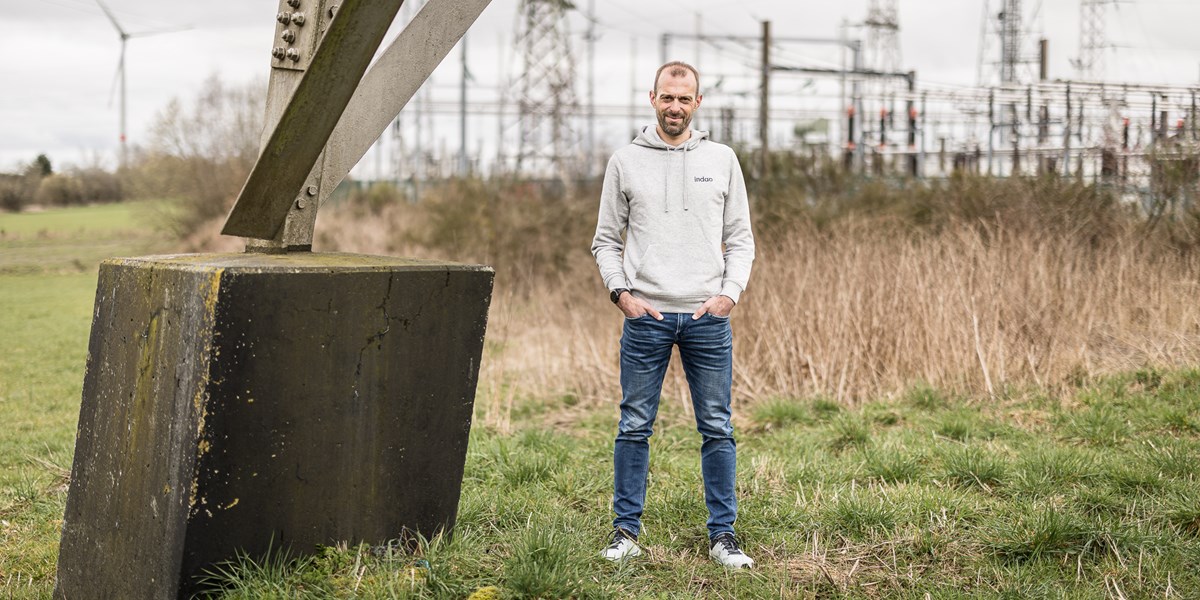
By Baptiste Fosséprez, CEO of Indao, September 2026
"There is no favorable wind for the sailor who doesn't know where he's going." Seneca wrote that nearly two thousand years ago, about life in general. But I think it describes quite well a very concrete dilemma we face today, as leaders of industrial companies or of the companies that support them.
There are two types of leaders I come across. Those who think that in ten years, the industrial world will run more or less as it does today - a bit more digital, a bit greener on paper, but fundamentally the same game. And those who sense that something is shifting under their feet, without always being able to name it precisely.
I don't know who's right. But it raises a question I find myself asking more and more often, myself included: are we keeping an eye on the horizon, on where we're heading, or are we staring at our instrument panel, managing the quarter, the KPI, the deadline?
Both are necessary, obviously. But we all know pilots who ended up confusing one with the other.
Three signals, three silos
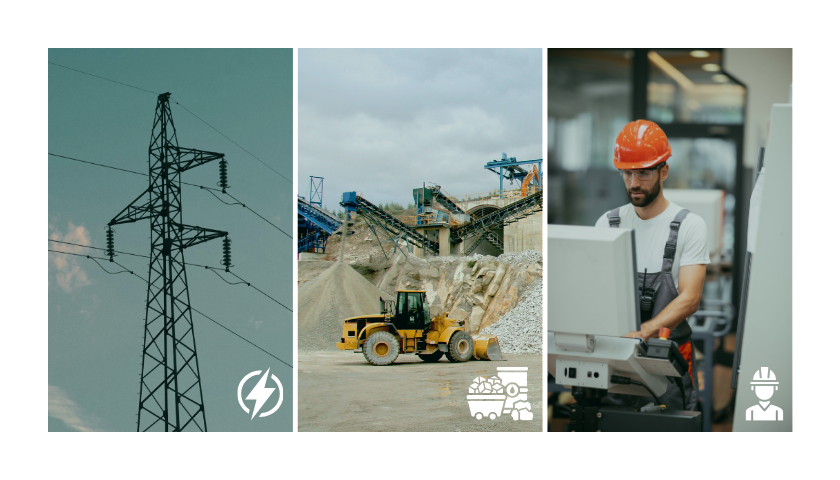
Here are three things happening right now. Each documented separately. Each with its own experts, its own debates, and - too often - its own silo in our organizations.
Energy. Recent climate research suggests that warming, for a given level of CO2, could occur faster than we thought just a year ago. I'm not a climatologist, and I don't claim to settle that scientific debate. But whether one believes it firmly, partly, or not at all, one fact remains: pressure on energy systems is arriving earlier than expected, not later. It's a matter of industrial energy efficiency as much as of long-term resilience.
Raw materials. This one, almost no one disputes. Critical metals, rare earths, strategic components: access is becoming more contested, more expensive, more geopolitical. This isn't a new trajectory. It's a trajectory that's accelerating.
Skills. We talk about it less, and yet I see it every week, up close, in the plants we work with. Engineers retiring with twenty-five, thirty years of experience, taking with them reflexes, intuitions, small things they never wrote down anywhere, because no one ever asked them to.
Three different topics. Three different stakeholders, most of the time, sitting on our management committees. And yet, to my eyes: one and the same story - that of a world built on abundance which is starting, seriously, to run short of it.
The instrument panel never shows the scarcity to come
A quarterly P&L captures none of these three signals. Neither does a production dashboard. Both are excellent at telling us where we stand right now. And largely unable to tell us where we'll be in five years if nothing changes.
That's not a flaw we can hold against them - it's simply the nature of an instrument panel: it measures the present, not the trajectory.
The problem is that if we only look at the instruments, we discover scarcity right when it hits us. The energy bill that spikes. The supplier that runs out of stock. The expert who leaves, and whose know-how no one can reproduce. By then, it's too late to anticipate. We just absorb the impact.
People stay at the center, even in a world of data
I don't buy into anxiety-inducing rhetoric, and I don't think it's up to us, as companies, to remake the world. Most of the leaders I talk to every week don't run their plant based on climate or geopolitical convictions. They run a supply chain, a team, a bottom line. And that's perfectly fine.
But if the three signals I'm describing are real (and I think they are, to varying degrees), then the question that's emerging is no longer "how do we produce more?" It's "how do we produce better, with less?" Less energy per ton. Less material per unit of value created. Less dependence on a handful of experts who can't be replaced overnight.
And here's something important not to lose sight of: this isn't a problem technology solves on its own. Data, AI, predictive models - none of that has value unless it's used to inform a human decision, not replace it. It's the operators, the engineers, the field teams who keep industry running. Our role is to give them better instruments, not to pretend we can pilot in their place.
Where we try to offer an answer
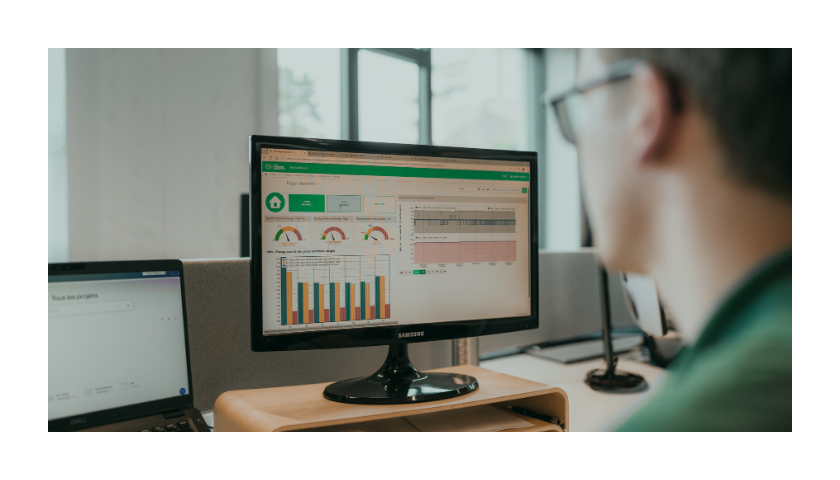
At Indao, we don't work in industry - we work for industry. Our job is to help industrial companies turn their production data (sensors, historians, heterogeneous and often scattered systems) into concrete decisions, made by people, for people.
In practice: when a process is better controlled, we don't just save energy. We extend the life of the equipment, so less material gets consumed over time. And we capture, within the models themselves, part of the operators' know-how - the kind that would otherwise retire along with them. The three scarcities I described above find, in the same place, the beginning of an answer.
It's not magic, and it's not enough on its own. But it's one of the few ways, I believe, to keep an eye on the horizon without letting go of the instrument panel.
Take care of your company. And above all, take care of the people who keep it running.